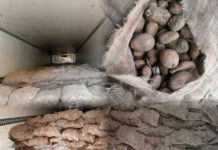
In the early hours of Thursday morning, between 5 am and 6 am, military personnel at the Lamin Koto checkpoint in the Central River Region reportedly intercepted a white pickup truck suspected of smuggling contraband from Guinea.
According to eyewitness accounts and local sources, the vehicle failed to stop at the military checkpoint. Officers pursued and apprehended it shortly afterward. A search allegedly uncovered 16 cartons of “Sir” brand cigarettes—commonly known to be smuggled from Guinea—along with other unspecified items. Some sources also mentioned possible drugs, though details remain unconfirmed.
The driver, whose identity could not be immediately verified, was described as rude and uncooperative. He reportedly told officers not to “waste his time” because the utility vehicle belonged to one of the wives of the Inspector General of Police (IGP) Seedy Muctarr Touray. He did not specify which wife.
Military officers impounded the vehicle and invited customs officials to the scene for further action. However, sources claim customs officers later withdrew, citing the involvement of “top officers.” Following what were described as calls from higher authorities, the military reportedly released the vehicle on orders.
The consignment was allegedly destined for offloading at the supermarket of one Alieu in Lamin Koto Badala. The pickup was said to have originated from Guinea, a known route for cigarette smuggling into the Gambia.
This incident has sparked quiet discussions locally about possible influence peddling and uneven enforcement at border checkpoints. Lamin Koto Military Barracks has been active in recent cross-border security efforts against smuggling and livestock theft, in collaboration with Senegalese counterparts.
Neither the Gambia Police Force, the IGP’s office, nor the Gambia Revenue Authority (GRA) Customs had issued an official statement at the time of reporting. Attempts to reach military and Police spokespersons for comment were unsuccessful.
The case highlights ongoing challenges with smuggling along Gambia’s borders, where cigarettes and other goods frequently evade duties.
Authorities have intensified checkpoint operations in recent months, yet incidents involving high-profile connections continue to raise questions about accountability.