By Sainabou Sambou
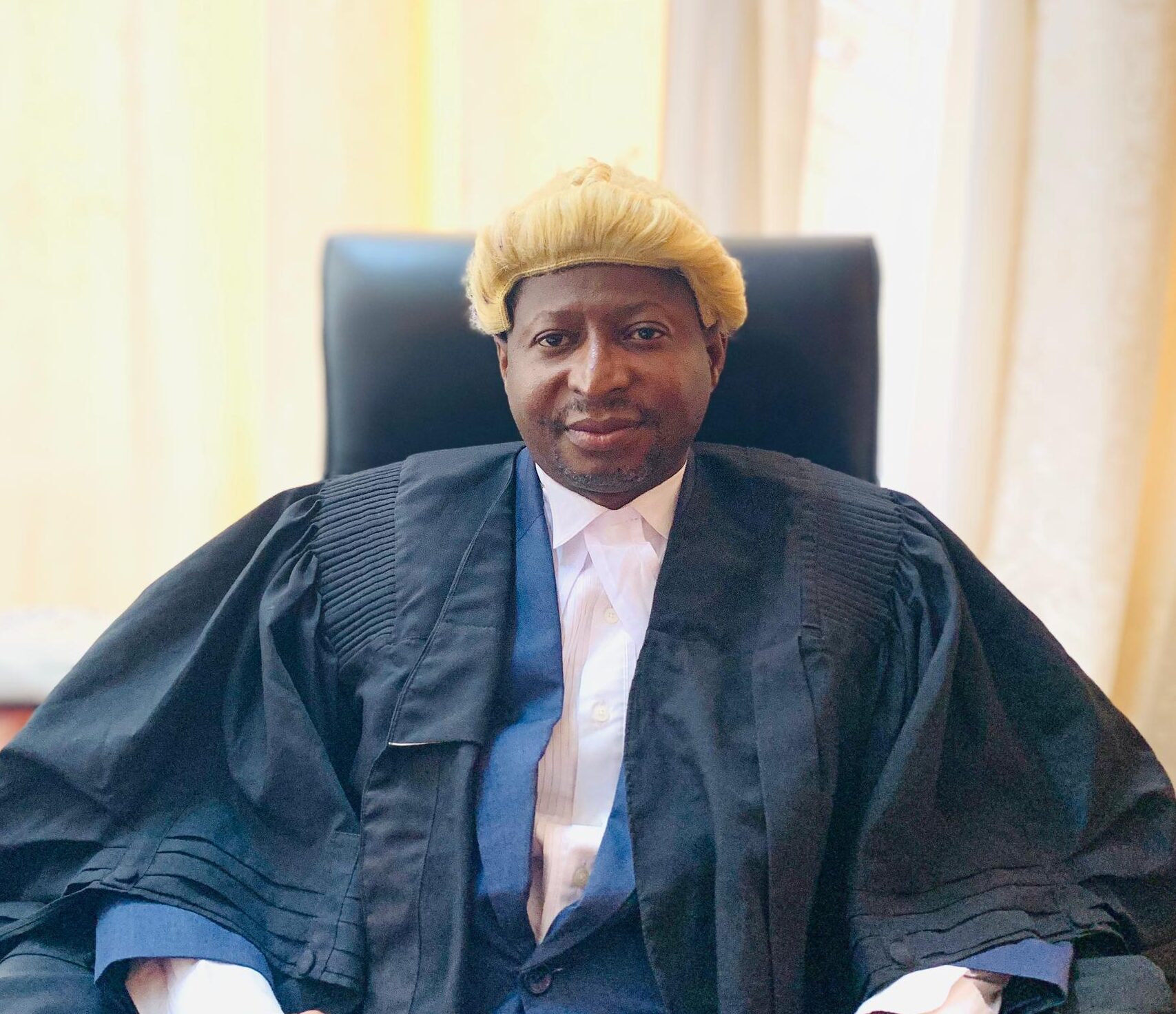
The High Court in Bakau, presided over by Justice Omar Cham, was rocked on Tuesday by dramatic testimony from the second accused in a high-profile armed robbery case, who claimed he was tortured and coerced into confessing to a crime he did not commit.
Losseni Diabate, also known as Alfusainey Jobarteh, denied any involvement in the alleged robbery of the United Vegetable Oil Company and told the court he only made a statement after enduring physical abuse and threats against his family.
Diabate is standing trial alongside Abdoulie Jallow and Ansumana Jarju on charges of conspiracy to commit a felony, armed robbery, and violent assault. The State, represented by I. Camara, alleges that on or about 31 December 2024, at the United Vegetable Oil Company in the Saro Denton Bridge area of Banjul, the three men conspired to rob the company of D400,000 belonging to security guard Sadivi Hauya.
According to the prosecution, the accused, armed with cutlasses and knives, tied the guard’s hands, legs, and mouth to prevent resistance, in violation of Sections 368, 272, 273(2), and 208 of the Criminal Code. C. Mendy represented the third accused.
Testifying in his defense, Diabate, a cold store technician who operates between The Gambia and Senegal, described a routine vehicle repair that led to his arrest. He said he handed his faulty vehicle to a mechanic and, after a week of delays, was called to collect it at Airport Junction. Instead, he was met by police officers and immediately detained.
“I was surprised,” he told the court. Officers questioned him about the vehicle before taking him to his home in Busumbala, where his wife and children were present. A search uncovered a bag containing cash, documents, and a financial record book detailing his business transactions.
Diabate insisted the money—D500,000 and 1.4 million CFA—was legitimate earnings from refrigeration contracts and equipment sales in both countries. He said he does not use formal banking services and keeps savings at home.
The situation at the police station worsened, he claimed. When he refused to reveal the location of additional money he had given to someone for safekeeping, officers allegedly handcuffed him tightly and pressured him. His wife was arrested and held for four to five days. “Police told me if I didn’t give a statement, my wife would not be released,” Diabate testified.
He alleged repeated torture, including beatings on the first day of detention. He showed the court marks on his wrists from tightened handcuffs. A police officer identified as Lamin Saidykhan allegedly warned him that, as a foreigner, he was not the main target and should confess or risk being “beaten to death.” Diabate claimed he was told the real suspect was in Guinea-Bissau.
The accused said his statement was taken in the presence of heavily armed officers from the PIU, Anti-Crime Unit, and CID. No civilians were present; he was not informed of his rights; he did not write the statement himself; and it was not read back to him.
During cross-examination by State Counsel Camara, Diabate was pressed on the source of the large sums of cash. He stood firm, maintaining the funds were from years of legitimate cross-border business. He confirmed his wife was released on a Sunday and his statement recorded on a Wednesday, insisting the confession was involuntary.
The case was adjourned until Wednesday, June 3, 2026, to continue the proceedings.