By Momodou Gagigo
Just a day after a powerful windstorm tore roofs from homes and damaged more than 15 households in Amdalai village, residents and partners have launched a major recovery effort that blends immediate support with long-term climate resilience.
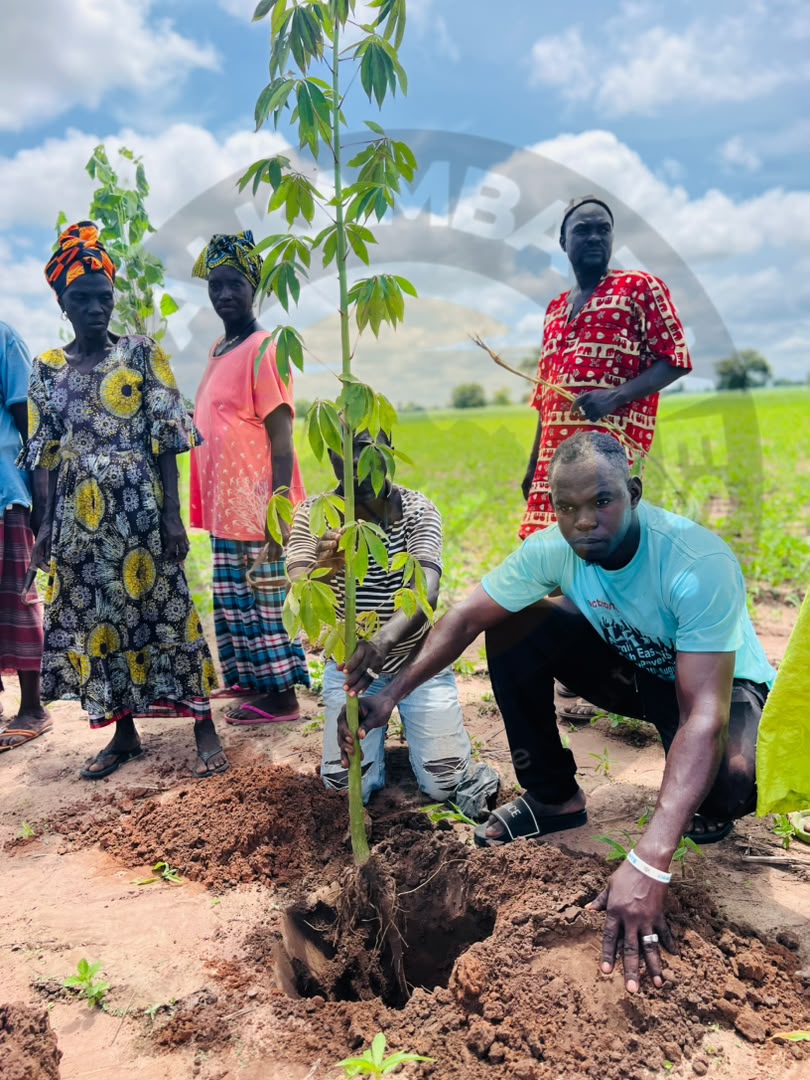
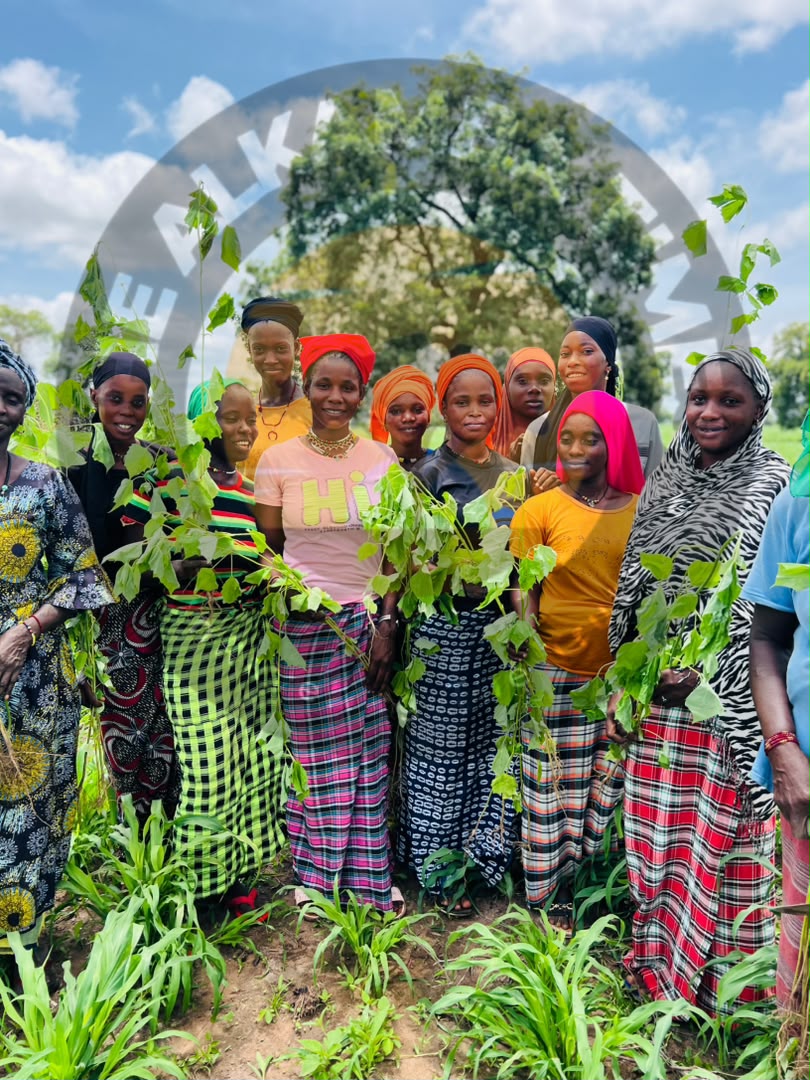
More than 400 trees have been planted through a joint initiative involving ActionAid International The Gambia, the Department of Forestry, the National Disaster Management Agency (NDMA) and the Niamina East Youth Committee. Community members, women and young people took part in the exercise, which aims to create a natural windbreak around the village while advancing climate-change mitigation, environmental protection and socio-economic development.
The recent storm caused significant destruction in Amdalai, uprooting trees, damaging property and stripping roofs from houses. Residents say the limited vegetation surrounding the village left them highly exposed to strong winds and extreme weather.
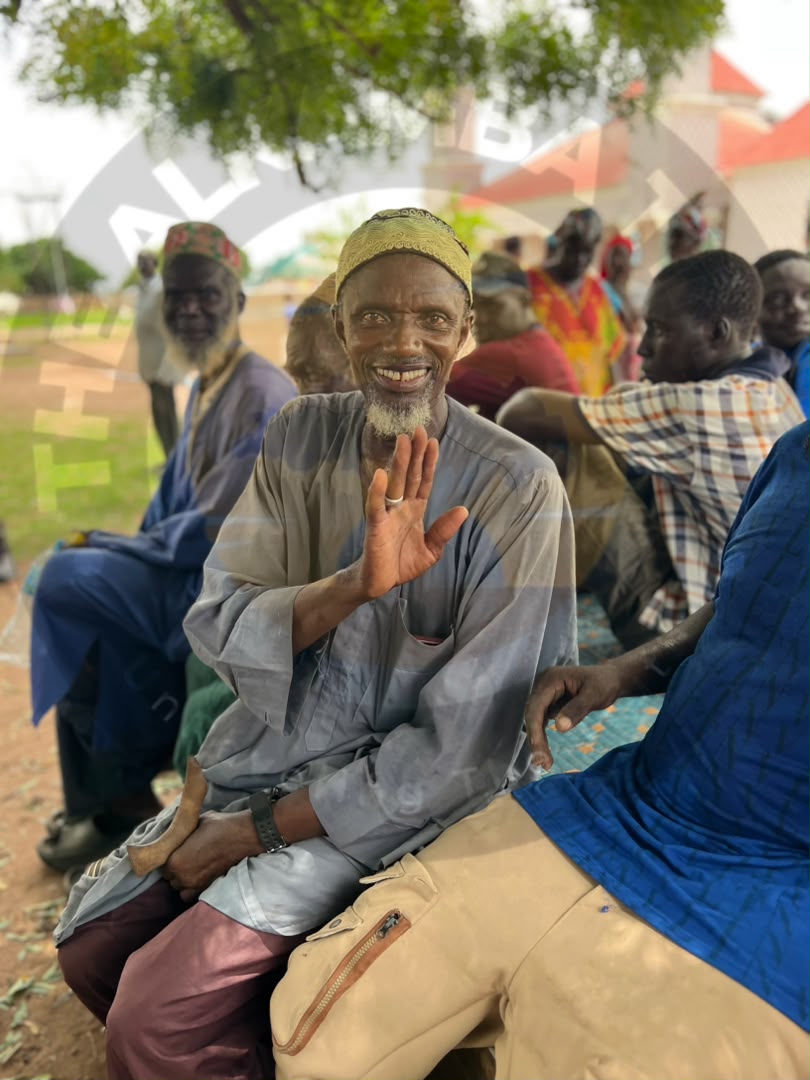
Village Head Ahmad Jallow thanked the organizations and individuals involved. “We are grateful to anyone who participated in this initiative. It shows that we are not alone in this.”
Resident Wurry Jallow linked the severity of the damage directly to the lack of trees. “The reason why the storm destroyed our houses is that there are no trees around to limit the speed of the wind.” She added that the community is committed to the new seedlings: “We will make sure the trees planted survive, by God’s grace.”
As the trees mature, they are expected to form a natural barrier that reduces wind speeds and protects homes, farms and other structures.
Lamin Fatty of the NDMA confirmed that more than 15 houses were affected. “We have over 15 houses affected in this community; that’s why we are here. The main cause of the disaster was the windstorm. This is why we came to support the community with tree planting.” He urged residents to ensure the trees survive.
Babucarr Bah of the Department of Agriculture described the planting as a key climate-mitigation measure. “This is one of the aspects of climate-change mitigation. Therefore, planting trees at the eastern part of the village will serve as a windbreaker for the village.” He also noted the trees’ future economic potential: “If you talk about development, these planted trees, when grown, can be used to roof the same houses that were destroyed by the wind.”
Beyond acting as windbreaks, the trees are expected to protect soil, support biodiversity, provide shade and strengthen local agriculture.
Saiba T. Susso of ActionAid International The Gambia said the work aligns with the organization’s priorities on women, climate resilience and ecological justice. “This contributes to our Strategy Priority Two, which is women and climate resilience, ecological and climate justice, and our Strategy Objective Six, which is strengthening women- and youth-led interventions.”
He noted the community’s clear vulnerability after the storm. “The community is heavily hit by climate change. As a result, the community does not have trees that can serve as a windbreaker.” ActionAid mobilized women and youth to lead the planting on the eastern side of the village. The Niamina East Youth Committee’s involvement signals growing youth leadership in environmental action; members are expected to continue watering, protecting and monitoring the trees.
For Amdalai, the exercise is more than an environmental campaign. It forms part of the community’s response to a disaster that left families facing damaged homes and property. While immediate assistance helps recovery, establishing vegetation addresses the underlying environmental risks that intensified the storm’s impact.
The collaboration between ActionAid, the Department of Forestry, NDMA, the Department of Agriculture, the youth committee, and residents shows how coordinated local action can link disaster recovery with climate adaptation. As the seedlings take root, residents hope they will grow into a strong green belt that shields homes and farms, turning a recently battered village into a greener, more resilient community.